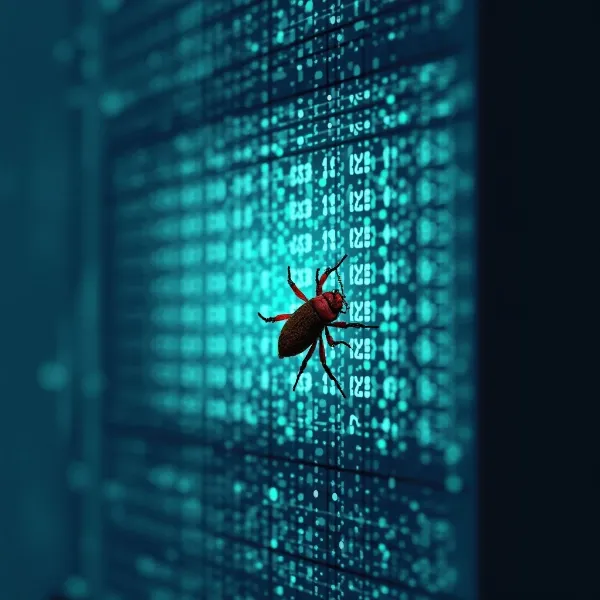
It’s one of the most uncomfortable surprises you can have while working on your computer: discovering an insect trapped inside your monitor. Whether it’s a tiny fly, an ant, or even a beetle, bugs in your computer screen are both annoying and a little unsettling.
But don’t worry, you're not alone, and it’s possible to deal with this issue without damaging your monitor. In this guide, we’ll walk you through the causes behind an insect inside computer screen, provide practical steps for removing bugs, and share tips on how to keep your screen bug-free.

Why Is There an Insect Inside Computer Screen?
It’s a bizarre sight, but that tiny intruder is likely a "thunderfly" or thrip, lured in by the bright light and warmth of your monitor. Because most modern screens aren't hermetically sealed, these microscopic explorers find their way through small ventilation gaps or seams in the bezel. To them, your backlight looks like a glowing beacon of comfort, especially during humid summer months.
What Types of Bugs Commonly Get Inside a Computer Screen?
Small insects that are attracted to light and warmth are the most likely to get inside a computer screen. Tiny ants, gnats, thrips, booklice, and small flies can slip through narrow gaps around vents or panel edges. Warm internal components and backlighting draw them in. Homes in humid or dusty areas are more prone to this issue, especially if windows are open or the device sits near plants or food sources.
How to Remove an Insect Inside Computer Screen?
Before trying any hands-on steps, take a moment to assess the situation calmly. A bug inside screen panels can look alarming, yet in many cases it can be coaxed out with careful, low-risk methods rather than immediate disassembly or costly repair.
1. Use Light to Lure It Toward an Edge
In a dim room, aim a small flashlight at one corner or along the bezel where there’s a tiny gap. Many insects move toward light, so keep the beam steady for several minutes. Tilt the screen slightly so gravity helps, but don’t shake it. Once the bug nears an edge, you’ll have better options to remove it.
2. Use Gentle Vibration and Tapping
If the bug seems stuck or has stopped moving, you can try to encourage it with very gentle vibrations. Lightly tap the outer bezel or the back of the monitor casing—avoid the display area itself. The goal is to startle the insect into moving again without causing any mechanical damage to the delicate internal components. Sometimes a little "earthquake" is all they need to exit.
3. Shut Down and Let Everything Cool
Turn the computer or monitor off, unplug it, and give it 15–30 minutes to cool. Warm panels can attract tiny bugs, and heat can make them move deeper. Avoid pressing on the display—pressure can leave permanent marks. If it’s a laptop, close the lid gently and place it on a stable, flat surface.
4. Use Tape Only on the Bezel, Not the Display
If there’s a visible gap near the insect, fold a piece of painter’s tape into a narrow “sticky flag” and place it on the bezel edge, sticky side facing the gap. Do not stick tape on the screen surface. A few gentle touches near the opening can catch the bug as it tries to escape. Remove the tape slowly to avoid residue.
5. Try Low Suction From a Distance
If the insect reaches a bezel gap, use a small handheld vacuum on the lowest setting, held a few centimeters away—never pressed against the screen. This can pull air through the gap and encourage the bug to exit. Skip compressed air; it often drives debris farther inside and can spray cold propellant. Work in short bursts while watching its position.
How to Prevent Insects from Getting Inside Your Computer Screen?
Prevention is far easier than dealing with a bug in computer screen panels after it appears. By adjusting a few daily habits and making small changes to your setup, you can lower the risk of insects getting close to your monitor at all.
1. Keep Your Workspace Clean and Dry
Tiny insects are drawn to crumbs, moisture, and organic debris. Wipe your desk regularly and avoid eating near your computer. Spilled drinks and food particles create a food source that attracts ants and other small bugs. Vacuum around cables, vents, and behind the monitor. A dry, clean workspace reduces the chances of insects approaching your screen in the first place.
2. Reduce Indoor Lighting That Attracts Bugs
Many insects are drawn to bright light, especially at night. If your computer is near a window, close curtains after sunset to reduce attraction from outdoor bugs. Consider using warmer light bulbs in the room instead of cool white lighting. Lowering unnecessary brightness around your workstation helps reduce insect activity near your screen.
3. Install Window and Vent Screens
Open windows without proper mesh protection allow insects to enter easily. Install fine mesh screens on windows and air vents to block small bugs. Check existing screens for tears or gaps and repair them promptly. Preventing insects from entering the room significantly reduces the risk of them reaching your computer monitor.
4. Turn Off and Cover the Monitor When Not in Use
Leaving a glowing screen on overnight can attract insects. Turn off your computer when it is not needed, especially during the evening. You can also place a breathable dust cover over the monitor after shutdown. This simple habit minimizes light attraction and reduces the chance of insects slipping into small openings around the screen.
When to Seek Professional Help
While it’s possible to remove the insect in monitor on your own, there are certain situations where professional help is the best option.
Delicate Screens Like OLED/LED
If you have an expensive or delicate screen, like an OLED or LED display, it’s best to let the professionals handle the cleaning. Trying to remove a bug yourself could potentially void your warranty or damage the screen. A professional technician can clean your monitor safely without causing any harm.
Don’t Risk Further Damage
If the bug is still stuck or if you’re unsure about how to proceed, it’s always a good idea to contact a professional. They have the tools and expertise to clean your screen without causing any permanent damage, so you can get back to using your computer without worry.
Conclusion
Seeing an insect inside computer screen panels can be unsettling, but it is usually caused by tiny light-seeking bugs slipping through small gaps. Thrips, gnats, and ants are drawn to warmth and backlighting, especially in humid conditions. In most cases, calm, careful steps such as using light, gentle vibration, or cooling the device can help. Keeping your workspace clean, limiting nighttime lighting, and adding window screens can greatly reduce the chance of another unwanted visitor appearing.
For more tips on handling common screen issues, check out this guide on white spots on laptop screens.